How Lottery Platforms Are Changing the Way People Play
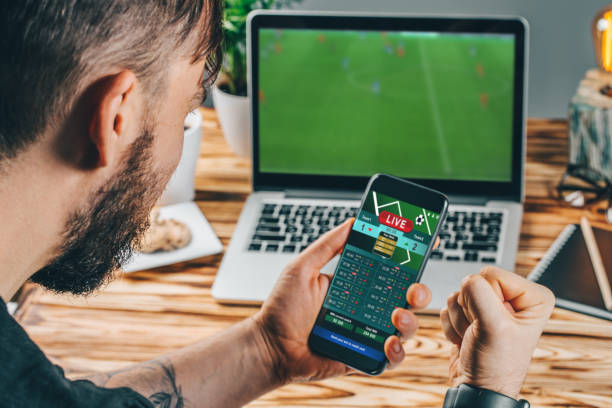
 Mobile apps have changed how people shop, communicate, work, and enjoy entertainment. They have also changed how people take part in lottery games. Instead of visiting a physical outlet, users can now check draws, select numbers, and manage entries through a smartphone. This has made the lottery easier to access, but it has also created new questions about security, spending, and responsible use.
A lottery app is a digital platform that allows users to take part in lottery-related activities. Depending on the service and local laws, an app may offer ticket purchases, number selection, draw notifications, result checking, or prize claim guidance. Some platforms are operated by official lottery organisations. Others act as approved agents or provide information only.
The basic idea remains the same. A player chooses numbers or receives a random selection. A draw then produces a set of winning numbers. Prizes are based on how many numbers match and the rules of the game. The chance of winning a major prize is usually very low, so lottery participation should be viewed as entertainment rather than a financial plan.
The convenience of mobile access can improve the user experience. However, it can also make repeated spending easier. Users should understand the app, its payment system, and its limits before entering any draw.
How Lottery Apps Work
Most lottery apps require users to register before they can buy an entry or use account features. Registration may include a name, date of birth, email address, home location, and password. The app may also ask for identity documents to confirm that the user meets the minimum legal age.
Location checks are common because gambling and lottery rules vary between regions. Some apps use location services to confirm that a user is in an area where online participation is allowed. Users may not be able to complete a purchase if the service is restricted in their current location.
After registration, the user can usually view the available games. Each lottery may have a different ticket price, draw schedule, number range, and prize structure. The app should provide these details before the user confirms an entry.
Players may choose their own numbers or use an automatic selection tool. The automatic option creates a random number combination. Neither method improves the mathematical chance of winning. Personal numbers, birthdays, and past results do not influence future draw outcomes.
Once the user confirms the entry, payment is processed through an available method. This may include a debit card, bank account, digital wallet, or balance stored within the app. Accepted payment methods depend on the platform and local regulations.
The app may save the digital ticket in the user’s account. This can reduce the risk of losing a paper ticket. It also gives the user a record of the draw date, selected numbers, payment, and entry status.
Notifications are another common feature. An app may send reminders before a draw or notify users when results are available. Some services automatically compare the saved ticket with the winning numbers. This allows users to check results without searching manually.
Small winnings may be added to the account balance. Larger prizes may require further verification or an in-person claim. The exact process depends on the lottery operator, the prize amount, and the rules of the region.
Users should read the prize claim instructions before playing. Some winnings may have a claim deadline. Missing this deadline could mean losing the right to collect the prize. The app should clearly explain the required documents and steps.
Subscription features may also be available. These allow users to enter the same lottery on a recurring basis. While this can prevent missed draws, it can also create regular expenses that are easy to overlook. Users should review active subscriptions and cancel those they no longer need.
Benefits, Risks, and Spending Control
A lottery app offers several practical benefits. The user can access games without travelling to a shop. Digital tickets are stored in one place. Results can be checked quickly. Payment records can also make it easier to review previous spending.
Accessibility is one of the main reasons these apps are popular. A person can select numbers at home, during a break, or while travelling within an authorised area. However, this level of access also increases the need for personal limits.
A physical ticket purchase creates a clear action. The buyer visits an outlet, pays, and receives the ticket. An app removes many of these steps. A user can complete several purchases in a short period. This may make the total cost feel less noticeable.
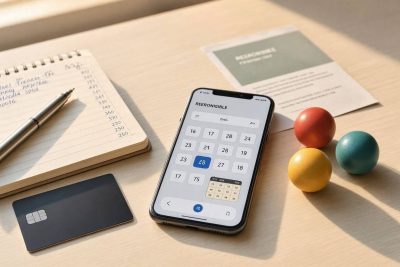
Setting a lottery budget helps prevent overspending. The amount should come from money reserved for leisure. It should never come from funds needed for housing, food, transport, debt payments, savings, or family needs.
Users can set a weekly or monthly limit. Once that amount is reached, no more tickets should be purchased until the next budget period. The limit should remain fixed even when a jackpot becomes larger.
Large jackpots often receive heavy media attention. Apps may also send messages that highlight the size of the prize or the time remaining before a draw. These messages can create a sense of urgency. However, a larger jackpot does not mean that a single ticket is more likely to win.
Buying several tickets increases the number of entries, but the overall chance of winning the top prize may still remain extremely small. More tickets also mean more spending. Users should focus on the cost rather than the advertised prize.
Repeat purchases can also become a concern. A person may buy another ticket after losing because they believe the next draw could be different. While the next result will be different, previous losses do not improve future odds.
Responsible gambling tools can help users control their activity. Some apps allow deposit limits, purchase limits, time reminders, account breaks, or self-exclusion. These tools should be easy to find and activate.
Users should also review transaction histories. The total spent over a month may be higher than expected. Regular checks provide a more accurate view than trying to remember each ticket purchase.
Lottery winnings should not be included in a household budget before they are received. Expected prizes are not reliable income. Bills, savings goals, and financial plans should be based on confirmed earnings.
Warning signs may include hiding purchases, borrowing money for tickets, increasing spending after losses, or feeling anxious about missing a draw. These signs suggest that lottery participation is no longer simple entertainment.
Choosing a Safe and Suitable Lottery App
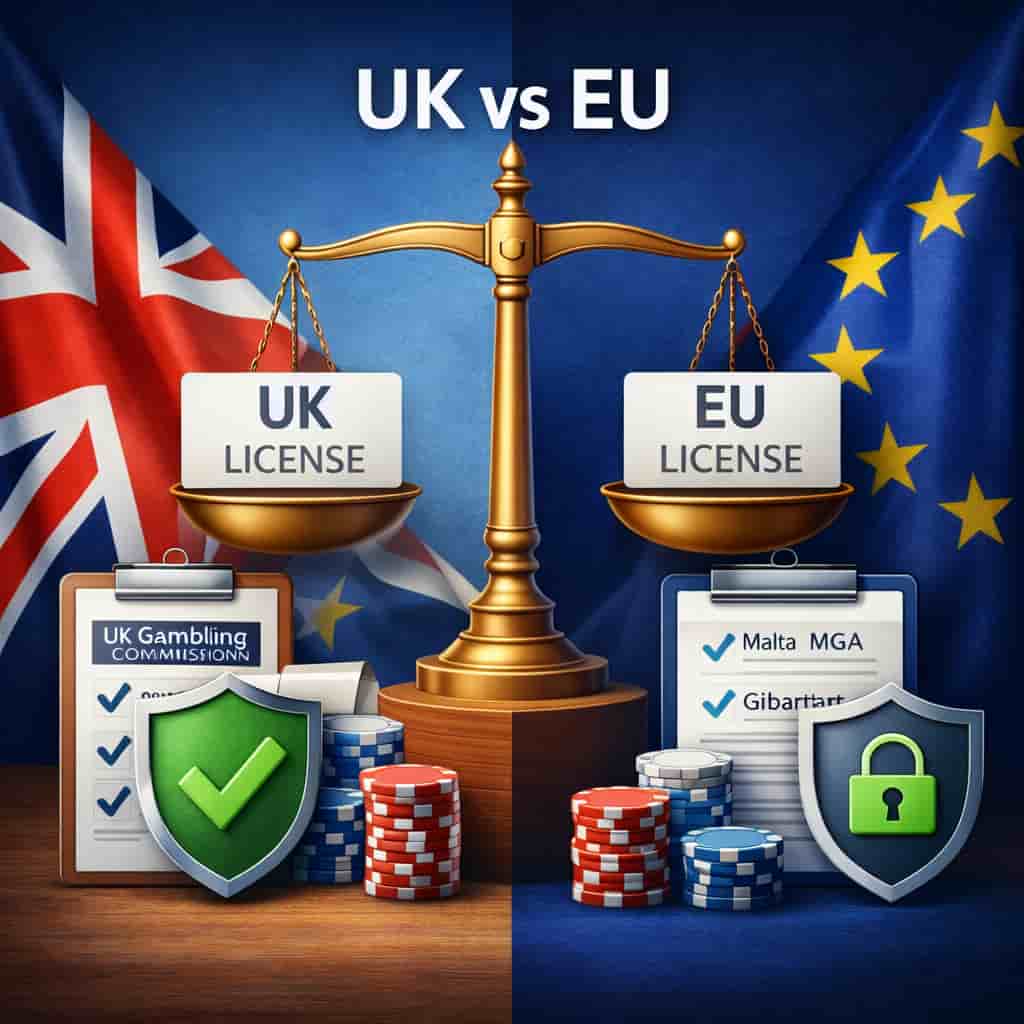
Not every app that uses the word lottery is an official or approved service. Users should check who operates the platform before creating an account or making a payment. The operator’s name, business details, licence information, and customer support options should be clearly displayed.
The app should also explain whether it sells official tickets, acts as an agent, or offers a different form of number-based betting. These services may look similar, but the rules and prize processes can be very different.
Users should download apps only from official sources. A verified app store or the operator’s official website is safer than a link shared through an unknown message. Fake apps may attempt to collect payment details or personal information.
Reviews can provide useful clues, but they should not be the only source of information. Some reviews may be old, misleading, or unrelated to the official platform. Licensing and operator details are more important than star ratings alone.
Privacy policies should explain what information is collected and how it is used. Since lottery apps may store identity and payment details, account security is essential. Strong passwords and two-step verification can help protect the account.
Users should be careful with emails or messages claiming that they have won a prize. A legitimate lottery does not normally award a prize for a draw that the person never entered. Requests for upfront fees, gift cards, or passwords are common warning signs of fraud.
The terms should explain ticket costs, draw times, cancellation rules, payment conditions, and prize claims. Users should know whether a purchase can be cancelled after confirmation. In many cases, lottery entries are final.
Customer support should be available when there are questions about payments, tickets, or account access. A platform that provides no clear contact method may be difficult to trust.
Lottery apps make number games more accessible and easier to manage. They can store tickets, send draw updates, and provide a clear record of activity. These benefits are useful when the platform is legitimate and the user maintains control over spending.
The lottery is still based on chance. An app cannot improve the odds or turn a random draw into dependable income. The safest approach is to choose an authorised platform, set a firm entertainment budget, and avoid making decisions based on urgency or the size of a jackpot.